Coffee is among the few day-to-day rituals that can really feel both indulgent and vital. The scent raises the morning, the first sip attracts a silent line in between night and day, and the last mug typically ties a bow on an afternoon. Yet for most households, the expense of maintaining that routine active accumulates quick. The bright side is that an once a week delivery of inexpensive coffee beans, chosen with care and baked with reliability, can feel extravagant without draining your spending plan. It is possible to have cheap coffee beans delivered that still make like something from a boutique coffee shop. The trick is to develop a strategy that focuses on freshness, consistency, and preference while valuing the numbers.
I have actually set up coffee programs for workplaces trying to maintain expenses down and for home chefs who want café-quality espresso at a portion of the price. Patterns arise. With a few adjustments-- smarter sourcing, a practical work setup, and a delivery cadence that matches your intake-- the gap between "budget-friendly" and "outstanding" tightens to nearly nothing.
What "cheap" needs to and should not mean
Cheap must not suggest stagnant or confidential. It must not imply untraceable sourcing, a murky supply chain, or coffee that tastes like cardboard after a week in the cabinet. Affordable need to merely suggest you pay much less per mug without endangering the core experience.
When I state inexpensive, I'm believing in terms of cents per cup. For several households, grocery-store ground coffee ends up around 30 to 40 cents per 10-ounce mug, commonly with floating quality. A strong once a week registration with beans supplied within days of roast can reside in the 35 to 60 cents per cup range, depending on volume and developing technique. Espresso often tends to cost a touch more per shot because of dosage dimension, while pour-over and batch mixtures benefit from scale. With clever options, cheap coffee beans delivery can match-- and frequently go beyond-- the flavor of costs grocery brands, often with far better transparency.
A weekly rhythm that maintains coffee at its peak
Freshness wins, yet it has a home window. The majority of medium and light roasts bloom after a rest period of 2 to 5 days post-roast and then drink magnificently for one more 2 weeks. Dark roasts can be forgiving, typically drinkable a day or 2 after roast and stable for two to three weeks. An once a week delivery locks right into this arc magnificently. You're always consuming alcohol in the wonderful spot.
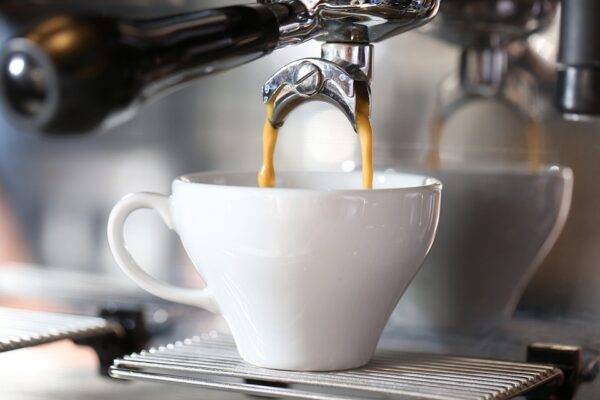
If you brew one or two times daily, a 12-ounce bag weekly generally covers a family of one or two. Offices or households that run a drip device for a number of mugs in the morning might desire a 2-pound bag weekly. Align the bag size with your brew rate so you finish the last cup equally as the next delivery lands. Overshooting brings about maturing beans and a level mug, which is the fastest method to lose money.
A note for coffee enthusiasts: lots of budget-minded houses rotate a primary coffee blend with a visitor coffee every few weeks. The core mix keeps milk beverages regular and forgiving. The guest bag keeps interest satisfied.
How to make cheap beans taste expensive
The most significant returns come from basics succeeded. You do not need a laboratory to transform budget beans right into something lavish. You need a reputable burr mill, constant proportions, and water that does not sabotage flavor.
I keep a basic bench guideline in my very own kitchen: chase repeatability prior to novelty. I would certainly take a $150 burr mill and a well-fitted dish over a $900 machine and uncertainty. Call your mixture stamina so it lands around 1.3 to 1.45 percent TDS for drip, 1.35 to 1.55 for pour-over, and an extraction yield near 18 to 21 percent. You do not need a refractometer to get there. Count on taste and little adjustments. If your coffee tastes slim and lemon-pithy, grind a little finer. If it tastes bitter and hollow, nudge coarser or reduce the brew time.
Temper the water. If your city water swings hard mineral or tastes like a pool, it will bully the cup. A fundamental water filter bottle or a remineralized distilled remedy evens the having fun area. The difference between tap-water bitterness and filteringed system, well balanced water can conceal or reveal a whole layer of delicious chocolate and toast in an economical blend.
A final touch: store beans in an airtight container. Leave them whole. Just grind what you require for that mixture. Budget plan coffee fades faster than boutique great deals since it commonly includes a lot more developed roasts and blends designed for constant flavor at range. Oxygen is the enemy, and a good seal provides you time.
Where the cost breaks really live
People usually quest for discount rates at checkout, then disregard the larger levers. The deepest rate breaks arrive from volume, roast degree, and delivery cadence.
Volume: most roasters distribute a 10 to 20 percent discount for registrations, and another 5 to 15 percent when you get bigger bags. In your home I 'd rather get a 2-pound bag weekly than 2 12-ounce bags; it is more affordable by weight and typically baked in the exact same batch, which bushes taste drift.
Roast degree: darker blends often cost less than solitary beginnings and respond well to milk. They mask minor incongruities and remain pleasant with sugar, making them perfect for a thrifty coffee routine. Lighter single beginnings set you back even more and can get picky on budget grinders. If you like illumination, budget for a far better mill prior to spending lavishly on delicate lots.
Cadence: weekly shipments maintain you near optimal flavor and get rid of emergency grocery runs that pressure you into costs prices for sub-par quality. Avoiding a week is fine if you miscalculated, yet prevent stacking stock beyond a couple of weeks of consumption.
The case for blends and purpose-built "residence" coffees
If you're looking for the most effective coffee beans delivered without the shop price, blends are your ally. An excellent residence blend is crafted for balance at an affordable price. The elements originate from harvests that can be acquired in bigger lots, which brings the price down. You will typically locate a core of Latin American coffees bring delicious chocolate and nut flavors, occasionally with a touch of washed African coffee for lift.
I've collaborated with café purchasers that kept a home blend dialed for several years, just pushing proportions when seasonal coffees moved in and out. The objective is not to chase uniqueness. The objective is a cup that stands up every day, even when the milk steamer is busy and the grinder burrs are due for maintenance. In the house, this equates into comfort. A mix you depend on lets you make half-asleep and still land a pleasing mug.
Single origins are wonderful when you desire character. If you hunger for berry and florals on a Saturday, timetable a tiny add-on bag now and then, but maintain the regular base blend as your anchor.
How to pick a roaster when cost matters
You require 2 points from an economical roaster: constant roast days and clear prices. You additionally intend to see a subscription choice that honors weekly distribution, not just monthly.
A couple of qualities give me confidence. Roast dates stamped on the bag, not just a best-by day. Delivering that steps within 24 to 48 hours of roast. Standard brew notes and a flavor description that really matches the cup. If the website lists a mix at a steady price with a membership price cut and the shipment window lines up with your routine, you have the bones of a reputable plan.
I have a tendency to neglect marketing buzz around "small-batch" if the shipping delays a week. Quality is worth more than romantic copy. I additionally resist free offer packages that secure you right into a mill you do not need. Take the registration price cut, not the trinkets.

Structuring an once a week plan that works in real kitchens
A plan falls down if it is inconvenient. The routine requires to feel unseen, like your milk distribution or your trash pick-up. For a house that makes 2 10-ounce mugs in the early morning and a little pour-over in the mid-day, a 12-ounce bag will last about six days at a ratio near 1:16. Push to a 2-pound bag if you host on weekend breaks or if coffee is in the mix, given that coffee doses pile up.
If you make espresso and drip, split your order. One bag matches coffee, one bag fits leak. Coffee likes a somewhat darker roast that withstands milk and draws forgivingly at 93 to 94 levels Celsius with a 1:1.8 to 1:2.2 ratio. Drip can run tool roast at 92 to 96 levels depending upon work and basket geometry.
Schedule distribution 2 days before you anticipate to run out. Beans require a brief rest. Short delays from carriers prevail, and the two-day buffer avoids a completely dry morning.
Getting a lot more with less: gear that pays for itself
You can maintain this basic and still get luxury-level outcomes. A hand grinder with sharp burrs will outshine a weary electric blade mill daily. A basic temperature-stable kettle aids, yet you can discover to work with a stovetop pot and a thermometer. For drip, a flat-bottom brewer typically generates more constant removal with spending plan beans than a conical dripper, and it plays well with mid-tier grinders.

On coffee, also an entry-level burr set that holds placement will certainly conserve beans. Spending plan coffee forgives small channeling, but a secure puck prep multiplies your financial savings by lowering sink shots. You do not need a costs meddle or supplier, simply a consistent routine and a tidy, completely dry portafilter.
I have actually viewed workplaces change from pre-ground tins to whole-bean registration and a mid-range burr grinder, after that reduced coffee waste in fifty percent. The top quality jump increased spirits, and the price per cup held steady.
The taste budget: where to invest a little more
If you want the best coffee beans delivered with a luxury feeling, invest where it counts. Water therapy is initially. After that, quality with once a week distribution. Then grinder high quality. Ultimately, treat yourself to a well-crafted house blend that favors your favored profile. If you like caramel and almond, choice blends that call those notes repetitively. If you lean toward chocolate and cherry, a Latin base with a tip of natural-process fruit will make milk beverages sing.
You do not need taste syrups or complicated add-ons to boost budget beans. A pinch of salt can tame anger in dark roasts if your water runs rough. Milk high quality matters greater than people confess. A good entire milk microfoam will certainly change an ordinary coffee right into something you will certainly keep in mind at noon.
Price math that keeps you honest
Say you drink two 10-ounce mugs daily. At a 1:16 ratio, each cup utilizes regarding 18 to 20 grams of coffee, or 36 to 40 grams per day. A 12-ounce bag holds roughly 340 grams, which lasts eight to 9 days. With a regular rhythm, you may alternative between completing a bag on day seven and on day eight, which is fine. If that 12-ounce bag expenses 12 to 15 dollars on membership, your per-cup price lands near 35 to 45 cents. If you tip up to a 2-pound bag at 26 to 32 dollars with a client discount, you push the per-cup expense down a few cents. The distinction does not appear significant till you increase by 700 mugs a year.
Espresso mathematics runs comparable, however doses issue. A home chance at 18 grams for a 36 to 40 gram yield costs even more per serving than drip yet still lands easily below coffee shop pricing by a wide margin. Even if your coffee beans run 14 to 18 bucks per 12-ounce bag, your per-shot expense most likely sits under 50 cents. A cappuccino in the house, with milk, lands near 75 cents to a dollar depending on milk selection. The stability of this mathematics depends on avoiding waste. A dialed-in mill spends for itself quickly.
The function of decaf in a budget plan
Decaf is usually a second thought, yet it can make or damage a budget plan if you consume it nightly. Swiss Water or sugarcane decaf procedures tend to taste cleaner and cost a touch extra, but the payoff is a mug that doesn't taste like a compromise. An once a week half-bag shipment of decaf paired with a main caffeinated bag satisfies numerous households where they live. You avoid emergency situation grocery store runs at 9 p.m. for stagnant decaf packages that set you back even more per ounce than your major subscription.
Balancing values, traceability, and price
Ethical sourcing and price are not revers. They do, nonetheless, need compromises. Single ranch great deals with transparent premiums will cost more. Blends that draw from numerous co-ops and larger regional great deals can still be responsibly sourced if the roaster commits to long-term partnerships and publishes standards.
I look for clear language about rate paid relative to product benchmarks, or at least a description of annual partnerships and top quality premiums. If a roaster keeps a stable blend every year and discusses the partner co-ops, that is a positive indication. Cheap coffee beans delivered can still mirror care, also if the label does not note a details farm. When the brand name conceals whatever behind obscure expressions, I come to be cautious.
How distribution mechanics form flavor
Logistics become part of taste. If your roaster ships on Mondays and your city rests 2 or 3 days away by ground, go for a Friday brew begin. That means positioning your order by Saturday night for a roast day on Monday. If your registration auto-renews, set it for a day that placements roast and ship to land midweek. The bag rests while en route, and you begin putting during the flavor's climb.
Be familiar with warm. In cozy months, stay clear of leaving packages on a sunbaked patio. Warm speeds up staling. If you stay in an apartment or condo, ask for mailroom hold or a locker. A fifteen-minute walk to get a package is more affordable than shedding half the fragrant leading notes to a warm afternoon.
A pragmatic strategy to range without increasing costs
Variety has a tax obligation. The more frequently you hop between roast degrees and beginnings, the a lot more you change grind dimension and the more shots or mixtures you miss. Selection is fantastic, but rotation is more affordable when it is planned.
Here is a simple cadence that benefits households that appreciate expedition while maintaining costs constant:
- Keep a reliable residence mix weekly as your support. Include a tiny solitary beginning bag every third week for weekend sampling. If you brew coffee, keep a dark or medium-dark core blend for milk drinks and pull the solitary origin as longer shots to highlight fruit. This pattern keeps your mill near a common setup and minimizes waste, while providing a normal modification of pace.
Troubleshooting affordable coffee like a pro
Budget beans are not a handicap. Treat them with the exact same attention you would a costly micro-lot and they react. Some reoccuring concerns and repairs:
- If the cup tastes level after a week, increase your dose a little or tighten up the grind to raise extraction. Consider a brief flower or frustration action for pour-over to get up the grounds. For espresso, try a slightly greater ratio, say 1:2.2, to coax sweet taste without dragging the bitter tail.
These two checklists are willful and brief. They cover typical calibration points while valuing your regular and the guidelines of simplicity. If you maintain a brew log for a week, keeping in mind dose, grind setting, and preference, you will capture patterns much faster than you expect.
Cheap coffee beans delivery and the understanding of luxury
https://squareblogs.net/kariontvzi/leading-picks-for-light-roast-lovers-coffee-beans-delivery-overviewLuxury is a feeling, not simply a price. It originates from consistency and little moments of control. When a bag gets here on a Thursday, still slightly degassing, and you pour a cup on Saturday that tastes like cacao and citrus in equilibrium, that is a luxury minute. When you can replicate it following week without believing, it enters into your home's texture.
There is likewise a mental luxury in eliminating choices. The mystery of modern-day coffee is wealth of choice. A weekly shipment reduces sound. You no longer wander an aisle parsing best-by dates. You no more bet on a sale that diminished a truck three months back. You have a roaster that gains your depend on, a grinder that holds placement, and a routine that produces a cup you look onward to.
What separates the very best coffee beans delivered from the rest
The difference typically lies in small functional techniques. The very best coffee beans delivered arrive in bags with one-way valves that really work, zoom seals that genuinely close, and tags that tell you what you need to understand: roast day, sampling notes based in reality, and a recommended brew ratio. The bag size choices make sense for a weekly tempo. The delivery home window is foreseeable. Customer support answers useful concerns about work and storage as opposed to pushing an upsell.
Many so-called costs solutions just charge much more for the very same beans and include a layer of glossy branding. The worth step is to look for roasters that invest in green quality and roast skill, out advertising spectacle. Pay attention to exactly how the coffee preferences on day 5, day eight, and day twelve. Excellent coffee ages gracefully, also when it is inexpensive.
A note on frozen beans to extend your budget
Freezing whole beans can maintain flavor, and it is a reputable device if you overshoot on volume. Portion beans into little impermeable containers, purge air ideally, and freeze. Draw only what you need for a day and work while still cool to decrease condensation. This keeps your weekly strategy from unraveling if travel or ailment disrupts your regimen. Do not freeze and thaw the exact same container continuously. A little preparation avoids wetness shocks that kill aroma.
When to change suppliers, and when to hold steady
Give a brand-new roaster three to four weeks of shipment prior to you court. Early missteps can be logistics grabs or your very own work modifications. If by week 4 your mug still runs boring or strangely metallic, or if delivery days stay unpredictable, go on. There are several competent roasters that take memberships seriously.
If the coffee is good but not terrific, reach out. A quick message requesting for grind and proportion pointers for their residence mix can conserve you even more time and money than churning with vendors. A thoughtful solution is a green flag. Silence or canned replies signify a temporary relationship.
Bringing all of it together
A budget-friendly plan for once a week coffee does not need compromise. It requests positioning: a roaster who roasts and ships on a rhythm that fits your home, a grinder that holds settings, water that sustains flavor, and a mix that benefits repeating. Cheap coffee beans delivered can be the best upgrade you make to your early morning, specifically since it appears when you require it and tastes the method it should.
If you chase after a high-end feeling, concentrate on the sensory signs that matter. Sweet taste before anger. Fragrance that increases as you put. A coating that lingers chocolate or stone fruit without transforming ashy. Make approaches that fit your life. And a price per cup that lets you put another without doing mental math.
The market is overruning with alternatives for cheap coffee beans delivery, yet just a handful will match your taste and rhythms. Beginning with reasonable volume, a weekly routine, and a dependable residence mix. Maintain notes for a week or more, fine-tune one variable each time, then let the strategy run on auto-pilot. When you locate the very best coffee beans delivery for your home, you will recognize. The bag shows up, you grind, you put, and the area scents like a café you depend on. The deluxe is not the tag. It is the assurance that the next mug will certainly be at the very least like the last.